
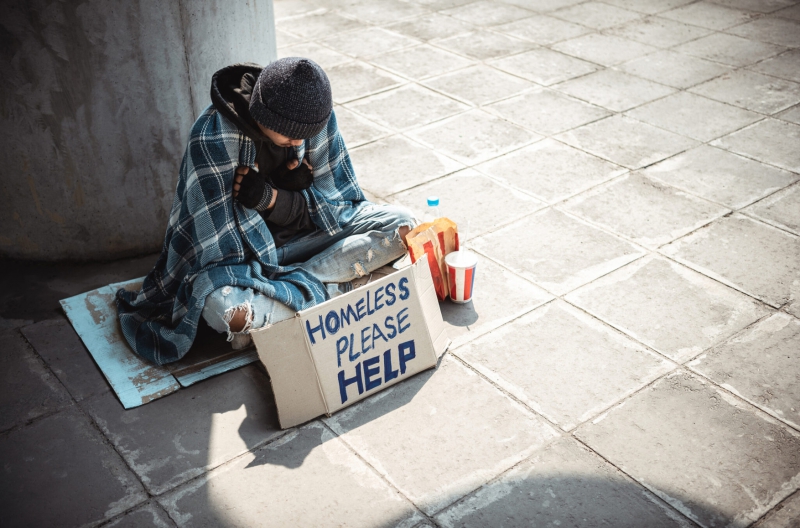
With Trump’s return to power, law enforcement raids have been targeting not only migrants but also the homeless. An executive order signed in July has effectively criminalized homelessness, cutting programs for affordable housing and harm reduction for people with addictions. The president has even publicly demanded that the homeless be immediately removed from Washington, D.C. However, other countries’ experiences show that isolating and criminalizing the homeless does not solve the problem — one that affects nearly 800,000 people in the U.S. Trust-based initiatives that simplify access to treatment and social reintegration could help, but it is precisely these programs that have been defunded.
Fox News host Brian Kilmeade voiced an unorthodox idea during a live broadcast in September. When discussing the August killing of Ukrainian woman Iryna Zarutska by a homeless man with a mental disorder in North Carolina, Kilmeade suggested giving those who refuse rehabilitation “forced injections or something like that.”
Kilmeade later apologized, but his comments were not far removed from the political mainstream that had developed in the U.S. by 2025. In July, Trump signed an executive order titled “Ending Crime and Disorder on America’s Streets,” identifying the homeless as a public safety threat. The order specifically provides for the forced hospitalization of people living on the streets and cuts programs for affordable housing and harm reduction for people with addictions.
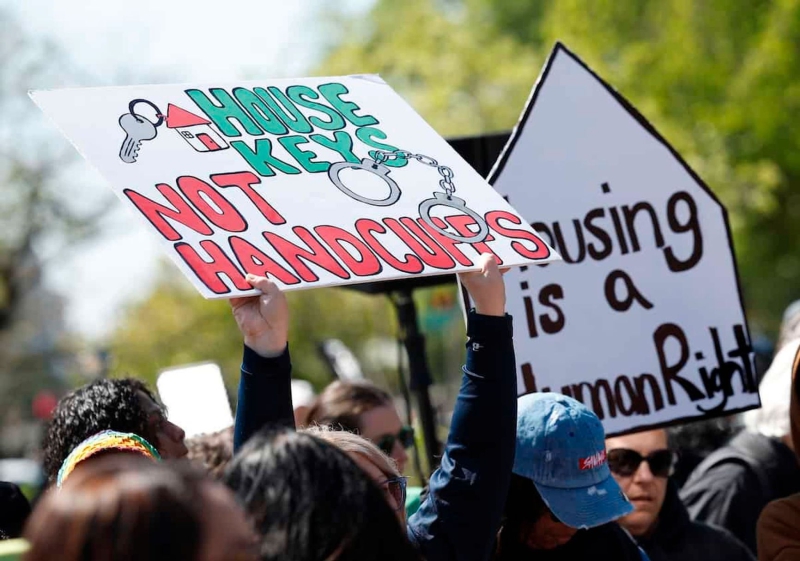
One program particularly affected was Housing First, which helped reintegrate the homeless into society. Participants received housing subsidies and advice from social workers, psychologists, and employment counselors. As a result, they learned to manage daily tasks, rebuild job skills, and gradually return to fully independent living.
The executive order proposes forcibly hospitalizing the homeless in order to “restore public order.” Howard Koh, professor at the Harvard T.H. Chan School of Public Health, calls the order “punitive” and notes that the approach criminalizes the situation of people without shelter while replacing systemic solutions with short-term repressive measures.
Koh emphasizes: “We can’t simply arrest our way out of this problem.” Homelessness is not a matter of personal choice; it stems from broader issues including a shortage of affordable housing and cuts to social assistance.
Trump’s executive order explicitly mandates the forced hospitalization of the homeless to “restore public order”
The order proposes a classic solution within federal policy: by offering local authorities more freedom in addressing homelessness, the federal government shifts responsibility onto authorities at a lower level. States are encouraged to implement stricter bans on “urban camping,” “loitering,” and “open illicit drug use.” In financial terms, grant priorities will now favor those who act quickly to suppress such phenomena rather than those who pursue long-term mitigation projects.
Lawyers from the NAACP Legal Defense Fund point out that such measures lead to increased police brutality, resembling the Black Codes — laws primarily targeting former slaves that were enacted in southern states immediately after the Civil War.
At that time, authorities could punish people for lacking housing. The penalties and court rulings were aimed not at rehabilitation but at control: the Black Codes included provisions under which a Black person was considered a vagrant if unemployed and without a permanent residence. Such individuals were arrested, fined, and sent to perform forced labor.
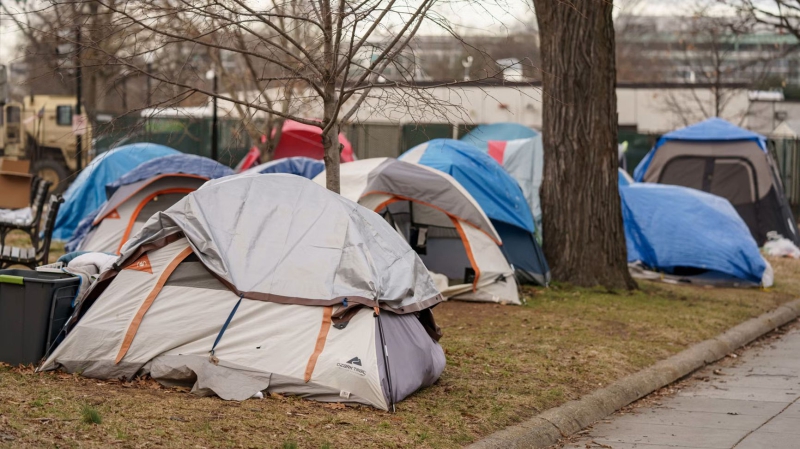
But Trump’s order goes beyond an administrative crackdown, also serving as a political response to his supporters' demands. Not that any of this is exactly new. From Nixon’s “Law and Order” campaign to Reagan’s “War on Drugs,” sociologists have documented similar attempts on the part of authorities to use street poverty as a convenient enemy to mobilize the electorate. By turning a social problem into a public safety concern, the state shifts focus from finding solutions to imposing punishment.
Homeless people have existed under every government. What varies is how quickly and comfortably the state can help a homeless person reintegrate into society. Clearing tent encampments and forcibly placing the homeless in shelters is indeed a way to “clean the streets” for a day, and the U.S. has made such attempts repeatedly, but none have succeeded in solving the larger problem. “What we have seen across the country is that the best way to clear encampments for the long run is through voluntary cooperation that leads to permanent housing and supportive services, and that offers hope of reintegration into society,” notes Koh.
Clearing tent encampments and forcibly placing the homeless in shelters is a way to “clean the streets” only for a day
Distributing food and clothing, setting up infrastructure like mobile kitchens, free laundromats, temporary warming centers, and shelters are the most common strategies for helping homeless people in many countries. But while these measures help individuals survive a crisis, they offer no way out.
Over the past two decades, the Housing First approach has been recognized as a humane and effective method of helping the homeless. Its essence lies in shifting the perspective on homelessness: instead of analyzing its causes, it focuses on pathways out of it.
To address mental health issues and rebuild social life, a person must first “settle down” and feel safe. Before Trump returned to the White House, the American approach was beginning to focus more on the provision of counseling services and housing subsidies, which could be provided without preconditions.
Trump’s executive order dismantled the Housing First program, despite its proven effectiveness: participants maintained stable housing and managed household responsibilities for years, frequently sought treatment for addictions, and required emergency interventions and hospitalization less often. The program reintegrated homeless people into society and minimized returns to the streets, with nine out of ten participants remaining housed one year after receiving initial support.
Cutting Housing First and harm reduction programs not only makes life unbearable for thousands of people but also results in direct financial losses. Studies by RAND and the National Alliance to End Homelessness show that every dollar invested in Housing First saves up to two dollars in government spending on hospitalizations, prisons, and emergency services. Forced hospitalization and police raids, by contrast, create a “poverty carousel”: people are placed in clinics or jails, and after release, they end up back on the streets. These cycles do not solve but fuel the problem, entrenching homelessness as a social status.
Every $1 invested in Housing First saves up to $2 in government spending on hospitalizations, prisons, and emergency services
Research shows that providing housing and support services significantly reduces repeat homelessness. Participants in such programs are less likely to end up in prisons or psychiatric hospitals, and they receive more preventive care, which actually lowers overall government spending.
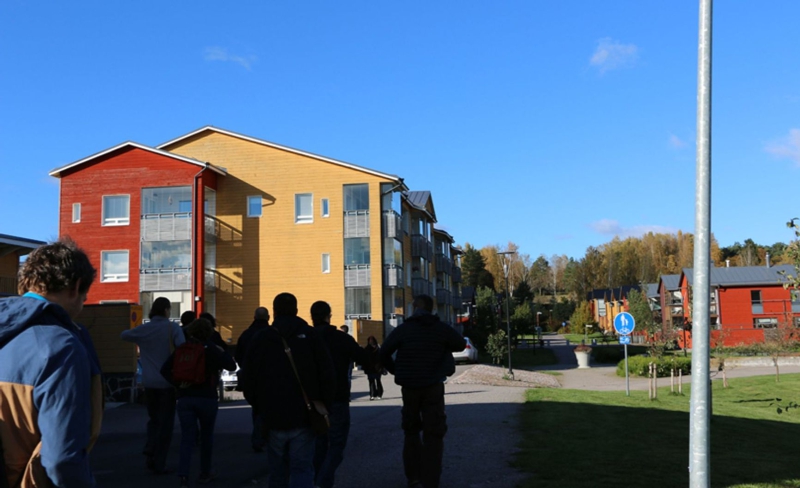
The Trump administration ignored the statistics: thanks to housing first programs, the number of homeless people in Finland fell by 68% from 2008 to 2024, and in Norway, it nearly halved between 1996 and 2020.
Trump’s order explicitly bans funding for harm reduction and safe consumption programs for people with addictions. These initiatives included measures such as syringe exchange points to reduce the spread of HIV/AIDS and methadone therapy to support gradual addiction treatment. These approaches, which have proven effective in reducing mortality, are being replaced by forced treatment.
There are two other recognized methods for helping people with addictions, neither of which is being pursued by the Trump administration. First, there is Assertive Community Treatment (ACT), which offers round-the-clock support from mobile teams of psychiatrists, nurses, and social workers. Meta-analyses show that such programs reduce homelessness by 37% and improve the mental health of participants by 26% compared with standard case management. In other words, ACT helps those suffering from addiction maintain housing longer and be hospitalized less frequently.
A second proven approach involves the use of mobile teams and outreach clinics, which consist of doctors, nurses, and social workers who assist the homeless on the streets or in shelters. A recent review showed that Mobile Medical Units (MMUs) can effectively provide addiction treatment, primary care, and psychiatric support for the homeless. While research is still largely descriptive, preliminary data suggest that these services significantly increase access to care, reduce homelessness, and are generally well-received by patients. Similarly, homeless people with acute mental disorders are also willing to engage with mobile crisis team programs. In one interview, all respondents favored an approach employing a mobile police or ambulance team, noting that these services helped address urgent needs such as access to food, temporary shelter, and psychological support.
In recent years, the number of homeless people in the U.S. has been rising, primarily due to economic factors that include soaring housing costs and the end of COVID-19 relief measures. According to estimates from the Department of Housing and Urban Development, in January 2024 the U.S. had a record 771,000 people without permanent housing for at least one night. Adults with serious mental health conditions accounted for 22% of this group (about 140,000 people), far exceeding the 5–6% rate in the general adult population.
Notably though, between 2018 and 2024, the number of unsheltered individuals in the country increased by 43%, while the share of homeless people with a mental illness remained relatively stable, declining slightly from 28% to 26%. In short, while those with a mental illness are more likely to become homeless, studies show that most homeless people do not suffer from severe mental disorders.

Decades of experience in Scandinavia, Canada, and elsewhere show that sustainable solutions are built on trust, not violence. Where homeless people are treated as part of society rather than as a threat, levels of violence decrease, participation in rehabilitation programs increases, and cities become safer for everyone. While homelessness cannot be eradicated, its prevalence can be reduced. Achieving this goal requires the development of social, housing, and volunteer programs — as opposed to forced hospitalization, isolation, or exclusion of the homeless from society.